
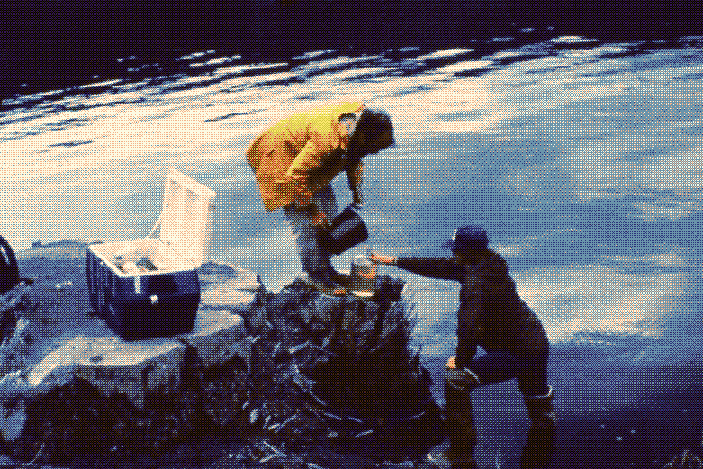
History & Culture
Spectral Valley National Park preserves a landscape shaped by long human presence, historic travel routes, coastal weather, scientific exploration, and decades of conservation work on Washington's outer peninsula. Use this section to learn more about the valley's cultural and historic background.
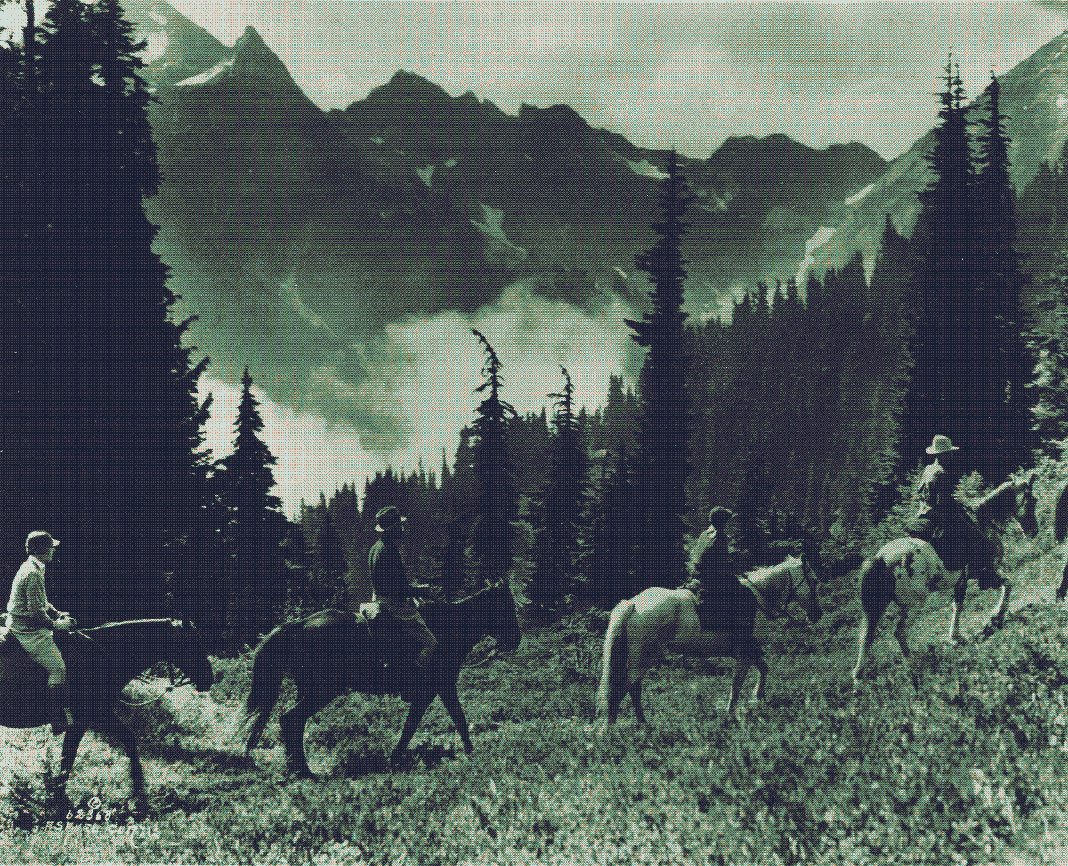
Before 1900 | Indigenous communities traveled, worked, and cared for the broader valley long before the park was established. Many of the area's oldest routes, lookout points, and shoreline travel traditions predate modern maps. |
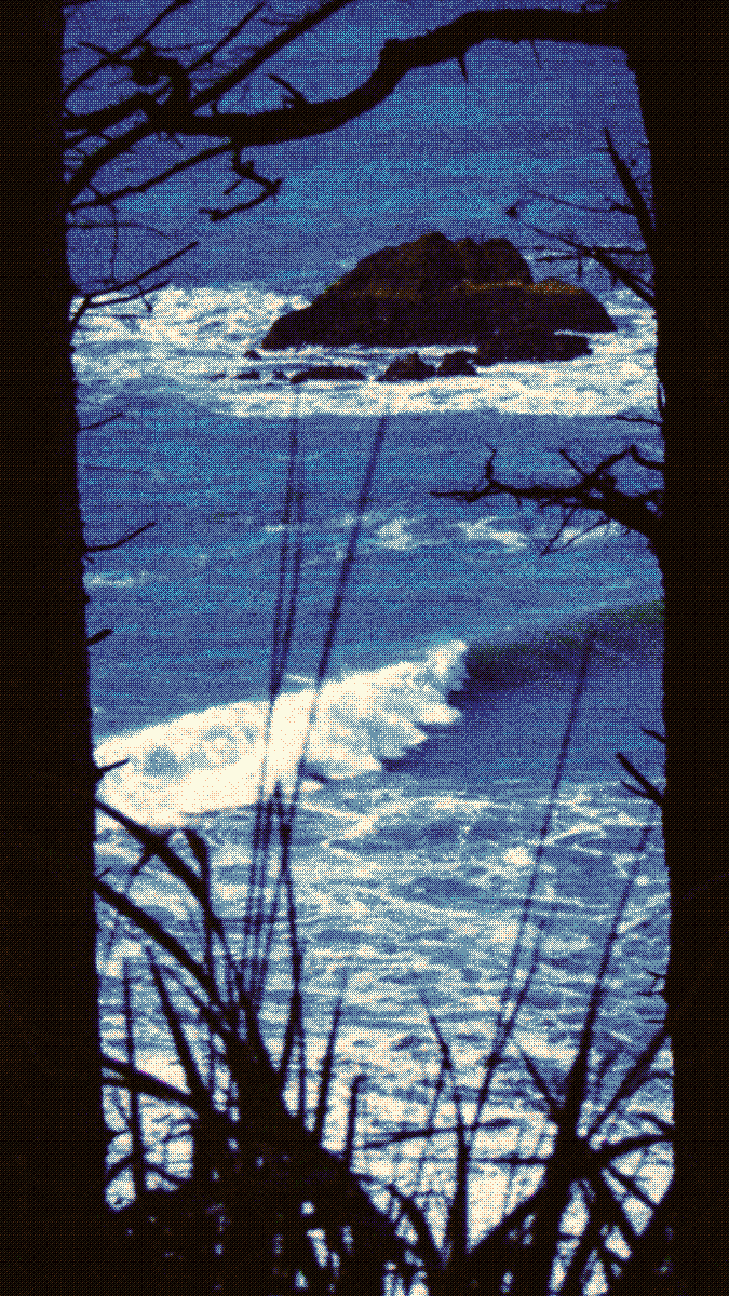
County Era | Survey crews, settlers, and county staff expanded trails, recorded local landmarks, and created many of the first written descriptions of the valley's forests, wetlands, ridges, and shoreline routes. Older route names from this period do not always match later park editions. |
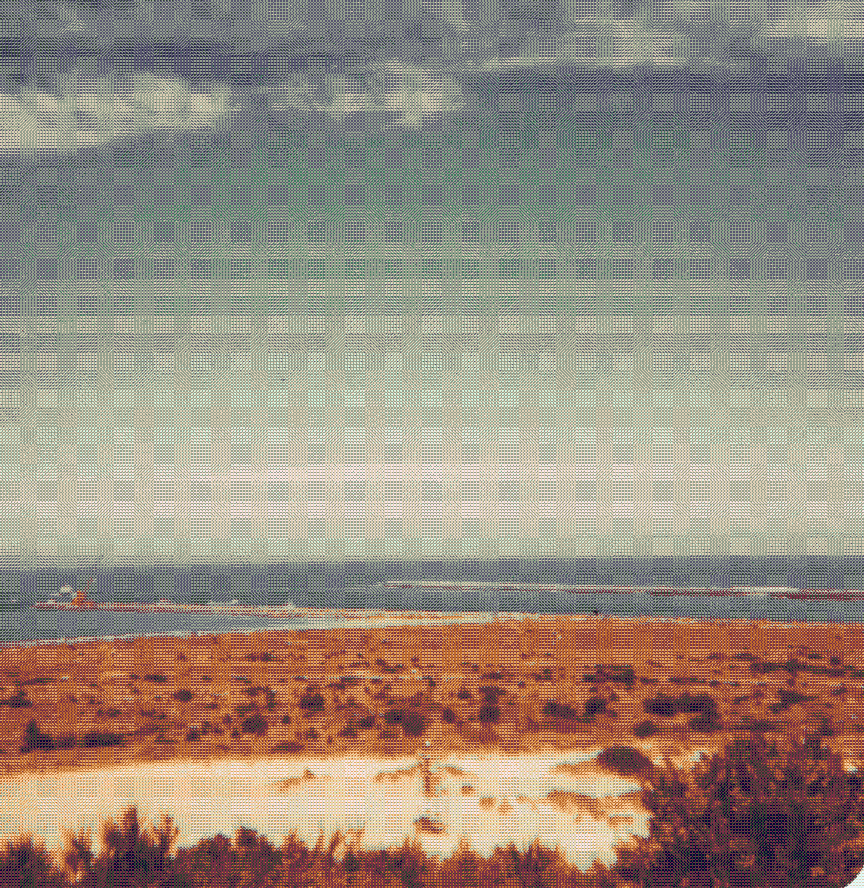
Park Era | Conservation efforts eventually led to the creation of Spectral Valley National Park. Today the park protects natural resources while sharing history, culture, scenic access, and research with the public. |
Education Programs | By the late 1990s, ranger-naturalists and field educators were leading trail talks, wildlife-viewing programs, night-sky programs, and visitor-safety demonstrations across the park. Older park materials from that period occasionally reference a ranger-naturalist marked only as O.R. |
Older Route Handouts
Some printed history handouts use older trail names, especially for horse routes, lower markers, and seasonal supply paths. These copies are kept for interpretive use and may not match current visitor maps.
Horse patrol outreach sheet · Lower marker history · seasonal supply paths
drawer ref. PR-060499-D
Historic brochures, older route names, and early map editions can differ from current visitor materials. For current access, trail conditions, fog guidance, and safety information, always check the latest park pages before you go.
HISTORY FOR VISITORS