
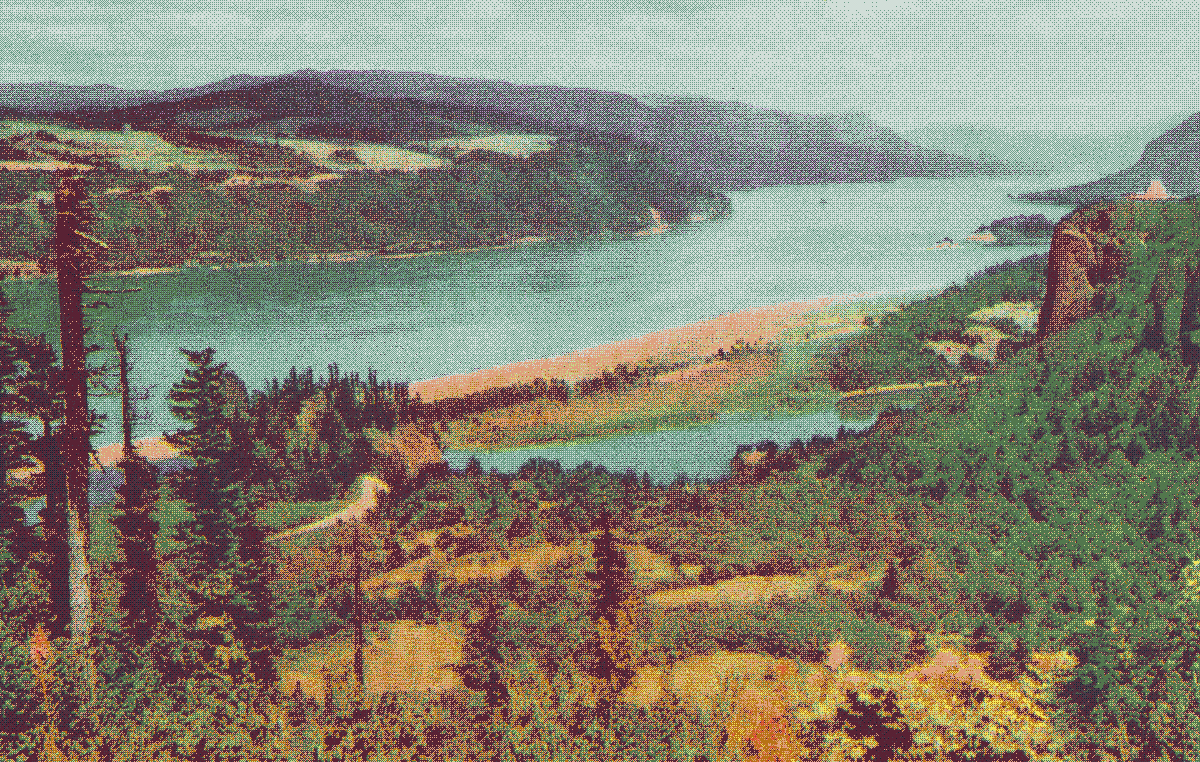






Learn how haze, air quality, fog, and changing visibility can affect scenic drives, overlook views, night skies, and sensitive habitats.
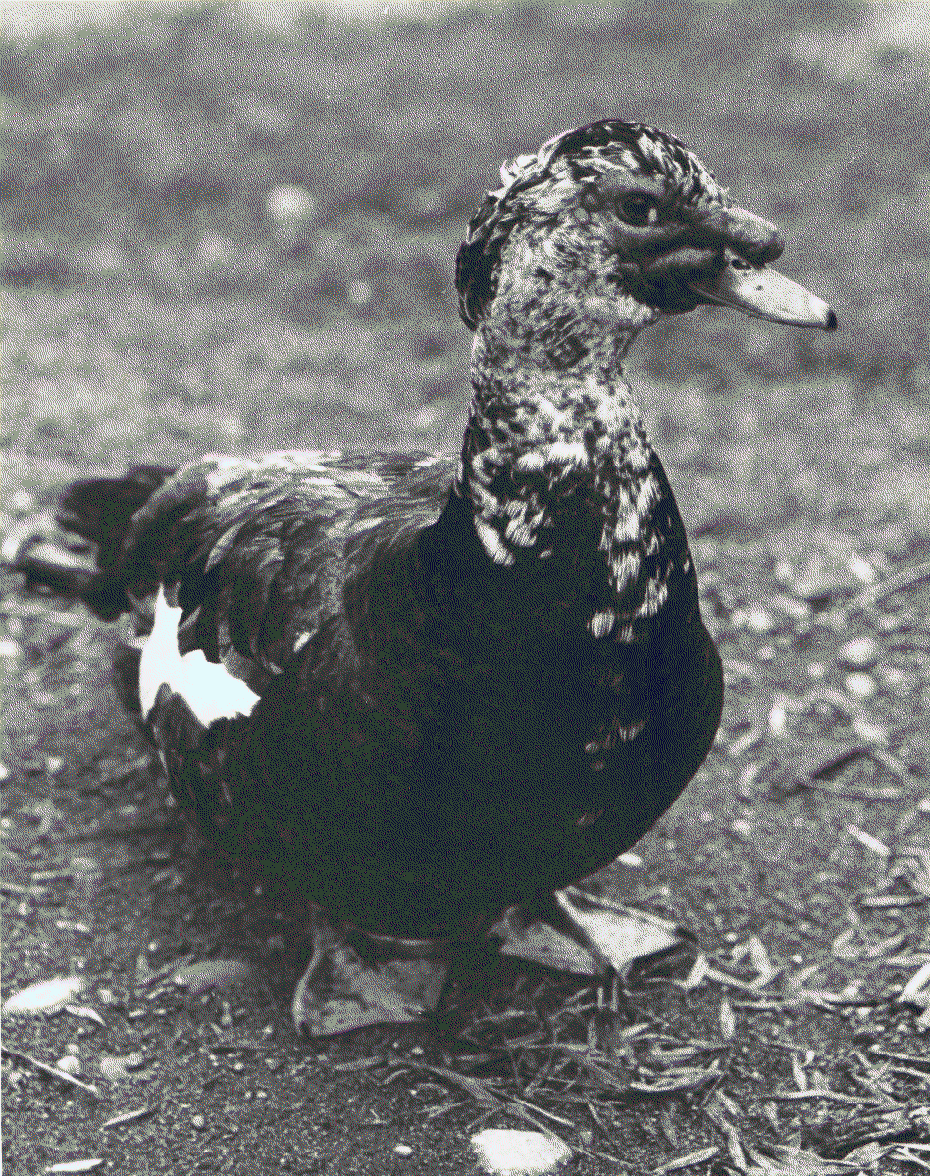
Wildlife profiles, habitat notes, and visitor-friendly guidance for watching animals responsibly in forests, wetlands, meadows, and along the coast.

Glacial features, volcanic rock, mineral pages, and terrain safety notes.

Forest, bird, water, and evening listening pages that help visitors notice how the park changes over the course of a day and across clear or moonlit nights.
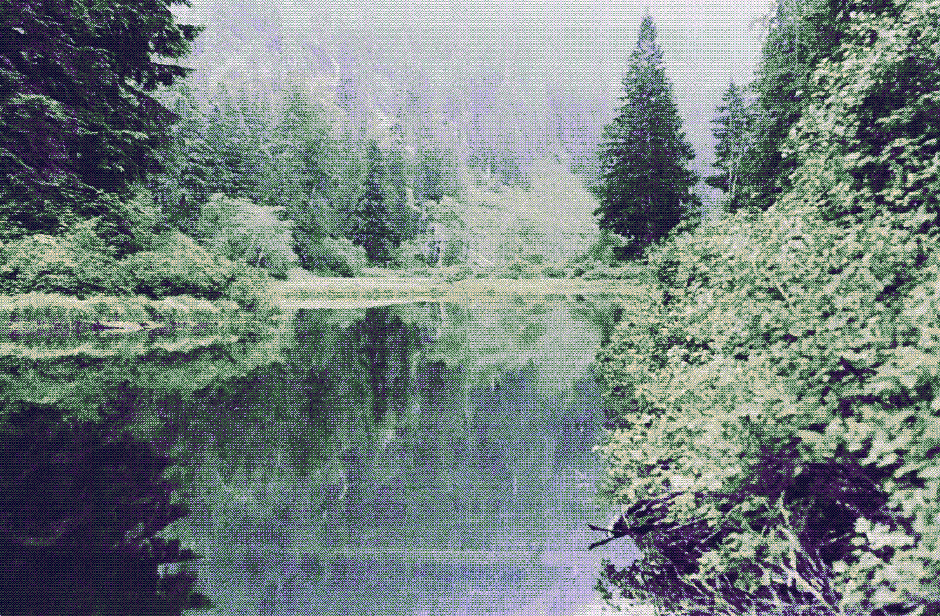
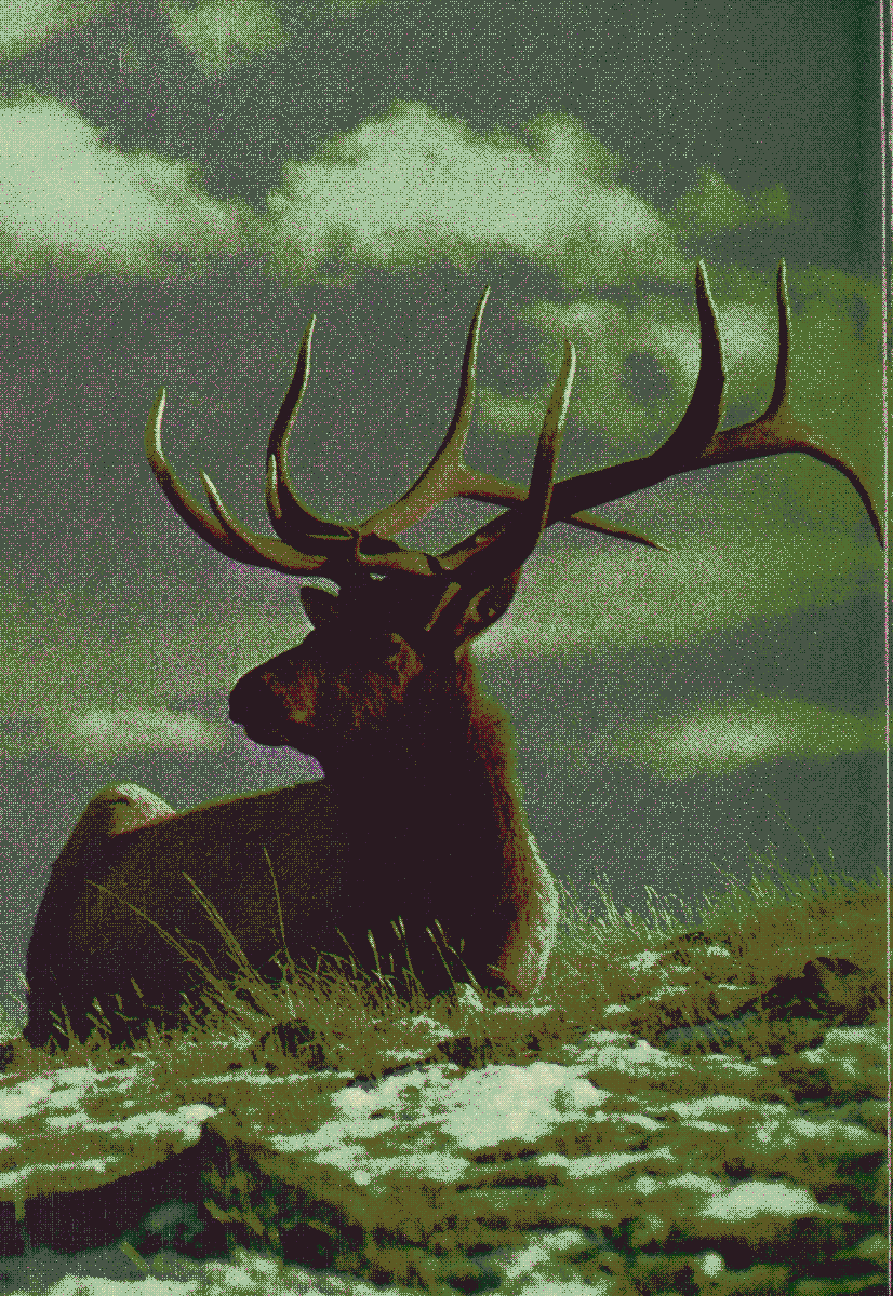
Hydrology, fisheries, wetlands, and habitat pages that explain how water shapes trails, wildlife, and restoration work across the park.
| Scenic views | Air & Visibility |
| Wildlife watching | Biology |
| Roadside geology stops | Geology |
| Quiet walks | Natural Sounds |
| Wetland and stream trips | Water |
| Night sky and moonlight | Air & Natural Sounds |
Start here for the science pages that are most useful for trip planning, wildlife viewing, and rainy-day learning.
SCIENCE GUIDE