


American Black Bear (ursus americanus)A common yet rarely seen resident of the park’s dense forest regions. DietOmnivorous; consumes berries, roots, insects, carrion, and occasionally small mammals. Often scavenges along trails after peak visitor season. BehaviorBlack bears within the park are reclusive, preferring the shaded understory of the Coastal Lowlands and the Old Logging Trails. Their dens are typically found in hollow trees or within the root systems of large fallen pines. Rangers have noted their tendency to follow predictable seasonal routes, from lakeshore feeding areas in the spring to high elevation berry patches by late summer. Sightings are most frequent after rainfall, when scent trails are freshest. HabitatBlack bears roam across mixed conifer and aspen forests throughout Spectral Valley National Park, favoring areas dense with huckleberry, chokecherry, and lodgepole pine. They are often sighted near Pine Basin and the lower slopes of Sentinel Hill, where forest cover gives way to meadows and cold creeks. During late autumn, bears dig shallow hibernation pits near geothermal vents around Deer’s Flats, drawn by the residual ground warmth. Rangers report faint, rhythmic vibrations beneath these burrows, occasionally triggering seismographs. Role in EcosystemKeystone species regulating prey populations and promoting forest renewal through seed dispersal. Folklore and Cultural NotesSome older residents claim the bears can sense when the ground itself is uneasy, leaving before earthquakes, fires, or other disturbances. Among rangers, there’s a quiet superstition: if a bear crosses your path near dusk, you’re meant to turn around and go home. It’s said they only appear to those who shouldn’t keep going. 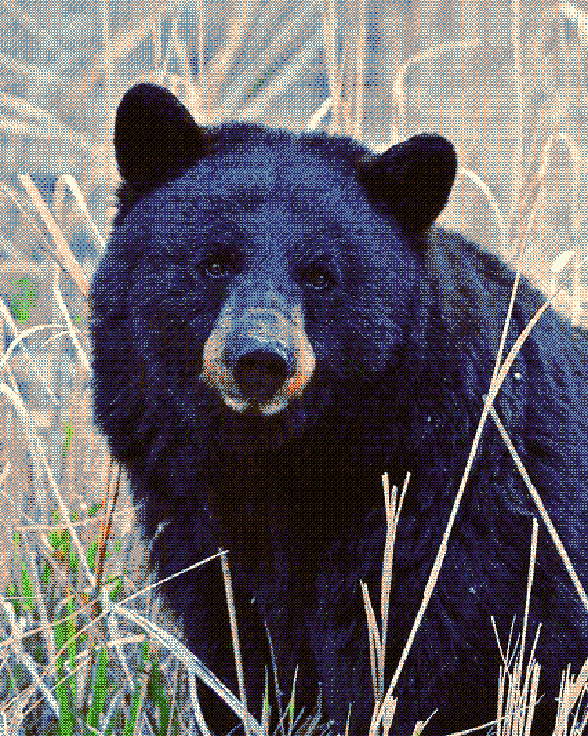
Fun Facts
|