


Roosevelt Elk (cervus canadensis roosevelti)The largest subspecies of elk native to the pacific northwest. DietGrazers and browsers; feed on grasses, lichens, and low shrubs along meadows and forest edges. BehaviorElk herds are most active during dawn and dusk, often gathering in open fields before retreating to dense forest cover. during the autumn rut, bulls emit deep, resonant calls that echo through the valley, sometimes carrying farther than sound should travel. Herds have been recorded lingering near The Pine Basin and Sentinel Hill for extended periods, often aligning in unison before dispersing abruptly. HabitatRoosevelt elk inhabit open meadows, forest edges, and mixed woodlands throughout Spectral Valley National Park. They prefer areas with abundant grasses, low shrubs, and lichens for grazing, while dense forest provides cover for resting and protection from predators. Herds are most active during dawn and dusk, often moving between meadows and forested areas along established trails. Seasonal migrations follow the availability of forage, with bulls and cows seeking optimal feeding grounds during the autumn rut. Role in EcosystemShape plant growth and maintain meadow health; their movement patterns influence predator distribution and trail formation. Folklore and Cultural NotesIn older accounts, hunters claimed the elk carried the memories of the land, returning to places scarred by logging or fire as if to reclaim them. Elders from nearby towns say seeing an elk alone at twilight is a sign that something once lost is trying to return. Roosevelt elk are regarded as a symbol of endurance within the park. their quiet migrations mirror the slow pulse of the valley itself: steady, deliberate, and older than any trail that cuts through it. 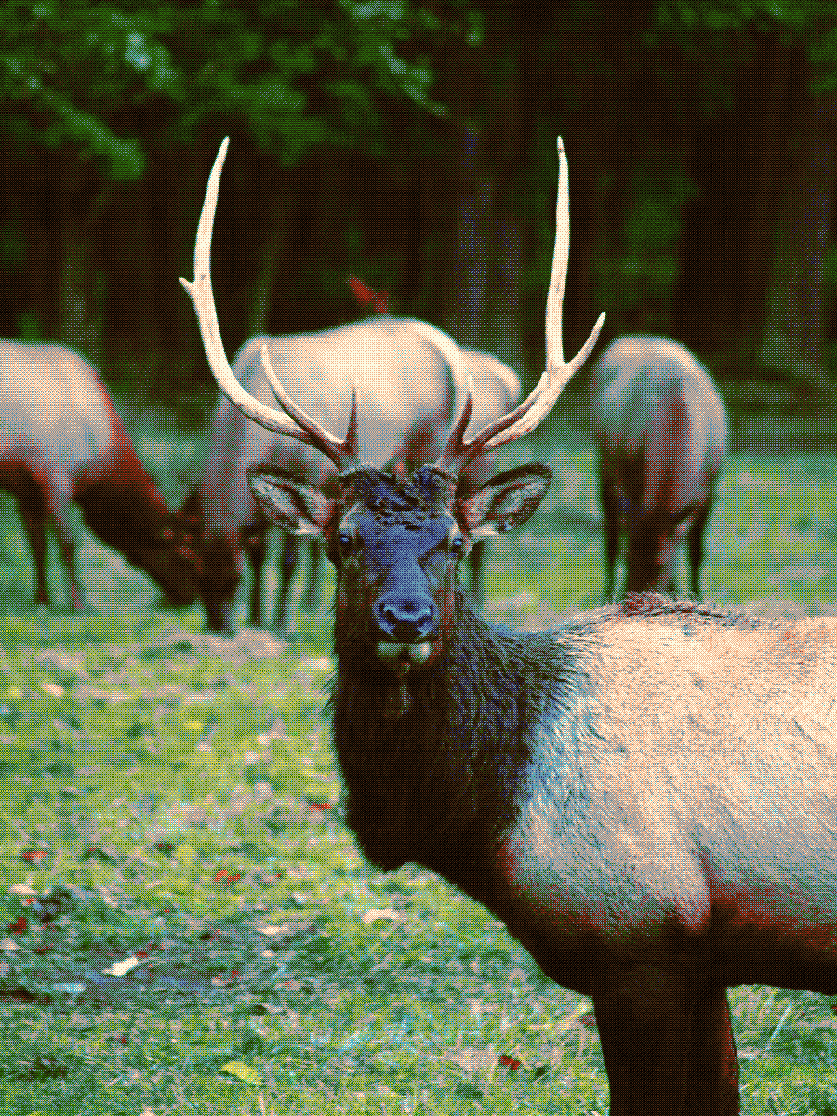
Fun Facts
|