


Rubber Boa (charina bottae)A small, smooth-bodied snake native to the Pacific Northwest. DietSmall mammals, lizards, amphibians, and eggs. BehaviorRubber boas are secretive and primarily nocturnal, often found under logs, rocks, and forest debris. They are known for their slow, deliberate movements and gentle nature, rarely striking when threatened. Rangers note that they often curl into tight coils when disturbed, giving the appearance of a small, rubbery object, hence their name. Some individuals appear unusually large or elongated. HabitatThe rubber boa inhabits cool, moist environments across SVNP, often found beneath fallen logs, stones, or dense leaf litter in shaded conifer forests. They favor transitional zones, the meeting points of meadow and woodland, particularly near Cradle Creek and the lower slopes of Sentinel Hill. Individuals are frequently encountered near water sources with consistent temperature and mineral content, suggesting sensitivity to subtle environmental shifts. Their reliance on hidden, insulated spaces makes sightings rare; most evidence of their presence comes from molted skins left in unnaturally perfect spirals. Role in EcosystemPredator of small vertebrates, helps control rodent populations; serves as prey for larger snakes, birds of prey, and mammals. Folklore and Cultural NotesLocal stories describe them as keepers of hidden passages and secret burrows, watching over the small mammals and underground waterways of the valley. 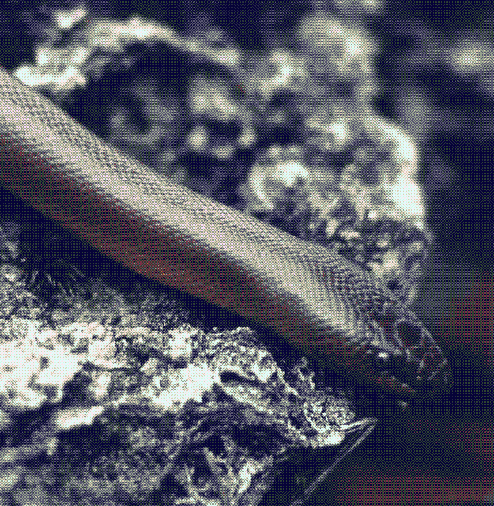
Fun Facts
|