


Copperback Salamander (desmognathus cupricauda)A small, semi-aquatic amphibian native to the damp forests and stream edges of the Pacific Northwest. DietInsects, small invertebrates, and organic detritus; highly opportunistic. BehaviorPrimarily nocturnal and secretive, Copperback Salamanders emerge under heavy mist or after rainfall. Rangers report their metallic bronze dorsal coloration can make them difficult to spot, and patterns sometimes appear to shift subtly. They are solitary except during brief breeding periods, when small groups congregate in temporary pools. Subtle shifts in dorsal patterning have been reported, leading to difficulties in consistent identification. HabitatCopperback Salamanders inhabit cool, moist environments, often near shaded streams, springs, and seepage areas within old-growth and mixed conifer forests. They prefer damp leaf litter, moss-covered rocks, and fallen logs, which provide both cover and abundant invertebrate prey. Populations are typically concentrated in microhabitats with consistent moisture and minimal disturbance, avoiding open areas exposed to sunlight or heavy foot traffic. Role in EcosystemContributes to invertebrate population control and nutrient cycling in wetland microhabitats. Folklore and Cultural NotesReferred to as “time warden” in local children’s rhymes and park folklore. Said to appear shortly before strange or unexplained events, acting as a subtle harbinger. Copperback Salamanders are both ecological participants in wetland habitats and enigmatic symbols of Spectral Valley National Park’s environmental phenomena, quietly reminding observers of the park’s layered natural world. 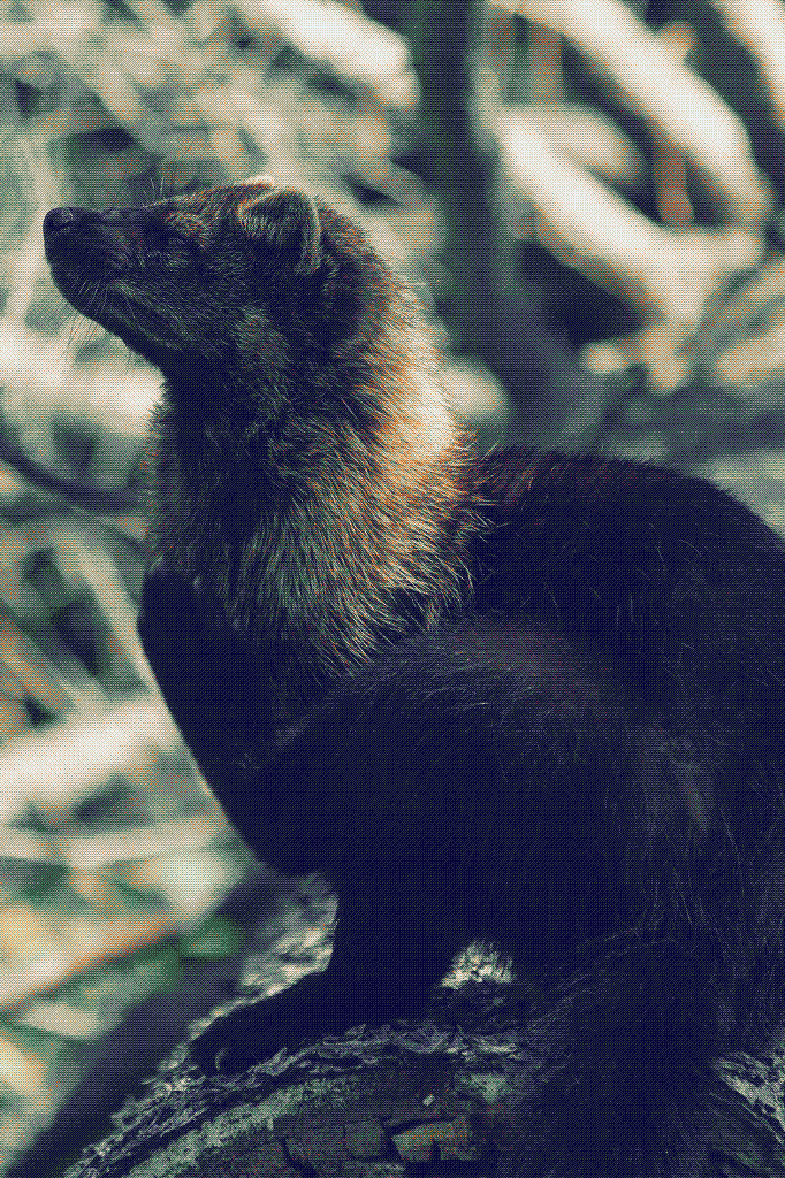
Fun Facts
|