


Killer Whale (orcinus orca)Also known as the Orca, an apex marine predator of the pacific northwest DietPrimarily fish, but some pods have been observed hunting cephalopods and small marine mammals BehaviorKiller whales in Spectral Valley National Park are highly intelligent and social, often traveling in tight-knit pods that exhibit complex cooperative hunting strategies and strong familial bonds. They communicate using distinct vocalizations and calls, and rangers have observed calves learning behaviors by imitating adults. Occasionally, pods display unusual behaviors, such as synchronized breaches that create striking geometric patterns on the water’s surface, or seemingly “mirroring” sounds produced by human equipment. These behaviors highlight both their adaptability and their capacity for social learning within the marine ecosystem. Rare sightings of killer whales near river mouths and lakes hint at anomalous freshwater intrusions. PodsWithin Spectral Valley’s coastal range, killer whales travel in small, interrelated pods, tight social groups that move with a collective intelligence. Each pod maintains its own dialect of calls, distinct enough that rangers and marine researchers can identify families by sound alone. Some pods have been documented returning to the same channels year after year, their routes tracing invisible paths through fog and tide. Occasionally, hydrophones have picked up unrecognized vocal patterns, as if a pod were answering from beyond mapped range. Role in EcosystemTop predator regulating marine populations; contributes to nutrient cycling along coastal ecosystems Folklore and Cultural NotesIndigenous stories describe Orcas as guardians of the coast, capable of guiding or misleading travelers based on human behavior. 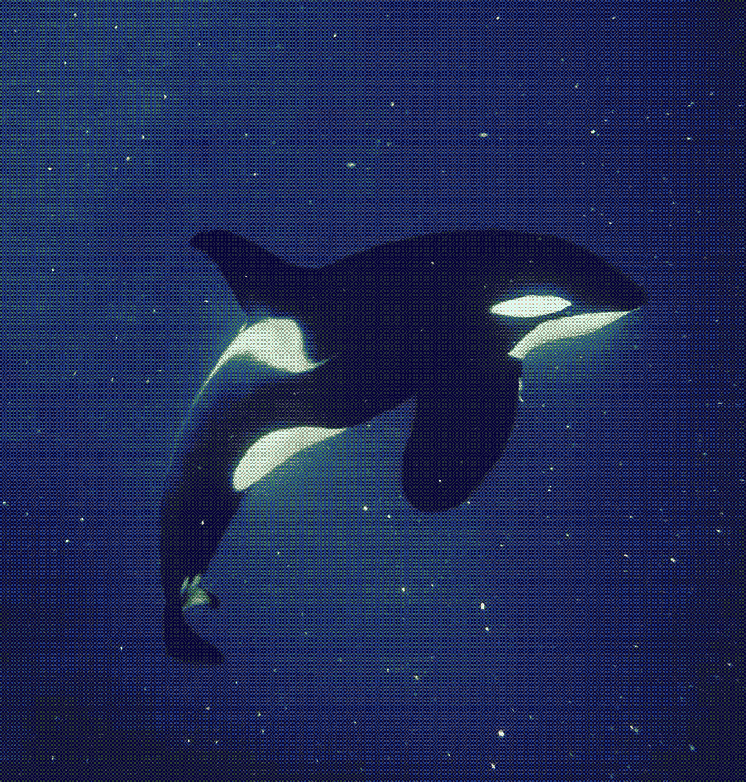
Fun Facts
|