


Western Spotted Skunk (spilogale gracilis)a small nocturnal carnivore found in forest edges, meadows, and rocky areas of the pacific northwest. DietInsects, small mammals, eggs, fruits, and occasionally carrion. BehaviorWestern spotted skunks are primarily nocturnal and secretive, often using dens in hollow logs, rocky crevices, or abandoned burrows. In several instances, spotted skunks were observed moving in unusual zig-zag patterns across open clearings, stopping abruptly. They are known for their distinctive handstand-like threat display when threatened, warning potential predators with raised hindquarters and a pungent scent. Tracks occasionally appear in locations with no direct access routes, suggesting unusual movement through the terrain. Rangers report occasional daytime activity in areas with minimal human presence, particularly along the Coastal Lowlands and the margins of Deer's Flats. HabitatWestern spotted skunks inhabit the transitional zones of SVNP, the overgrown edges where forest meets open meadow. they are most often found near rocky embankments, hollow stumps, and root-tangled streambeds. In the Coastal Lowlands, they den close to fallen driftwood and tide-fed channels, while upland populations near the Pine Basin prefer the lee of boulder fields and burned snags. Their presence is often marked by faint musk traces and small, circular paw prints leading into seemingly sealed burrows. During colder months, several individuals have been recorded sharing dens, an unusual communal behavior that coincides with elevated magnetic fluctuations detected by park instruments. Role in EcosystemControls populations of insects and rodents; serves as prey for larger predators such as coyote and mountain lion. Folklore and Cultural NotesOlder rangers have noted in believing their black-and-white patterns represented boundaries between the living and the dead. 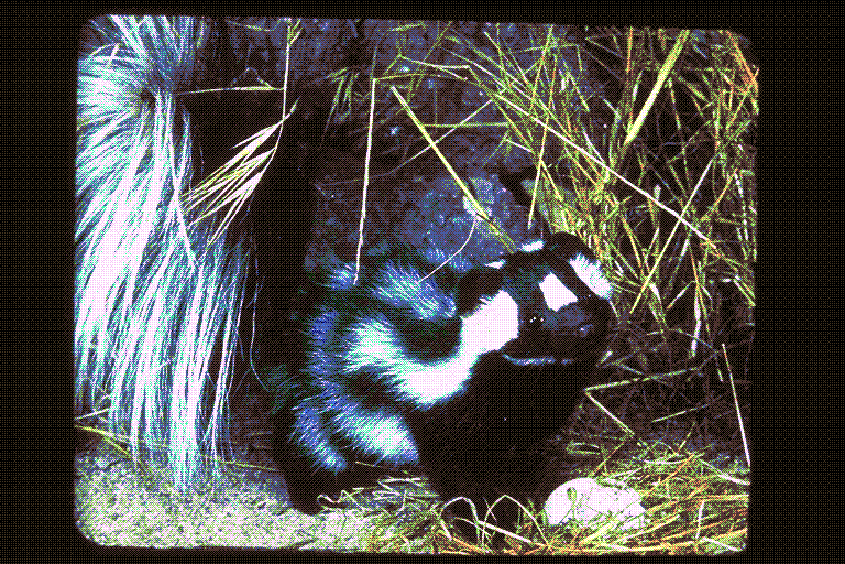
Fun Facts
|