


Black-tailed Deer (odocoileus hemionus columbianus)A subspecies of mule deer native to the pacific northwest. DietPrimarily browsers, feed on shrubs, ferns, and forest undergrowth. Occasionally graze near human trails. BehaviorDeer in Spectral Valley maintain the same quiet, cautious rhythms found across the Pacific Northwest: crepuscular, moving at dawn and dusk in family groups led by a dominant doe. Males roam alone outside the rutting season, but some have been recorded returning to their birthing sites year after year. During heavy snowfall, deer gather close to geothermal pockets and abandoned observation stations, possibly drawn by residual warmth. HabitatBlack-tailed deer thrive throughout the lower and mid-elevation zones of Spectral Valley National Park. They favor temperate coniferous forests, alder thickets, and edge habitats where undergrowth is rich with salal, huckleberry, and sword ferns. They are frequently seen along old ranger service roads, particularly near The Pine Basin and the Deer’s Flats floodplain, where morning fog settles thick and low. Tracks and shed antlers often appear near creek crossings, though some prints have been found embedded in dry rock. Role in EcosystemMajor herbivore influencing vegetation growth; prey for coyotes, cougars, and other predators. Folklore and Cultural NotesRangers note an unusual calm preceding storms or tremors: deer will appear at trail edges or near abandoned cabins, watching silently until the first roll of thunder. 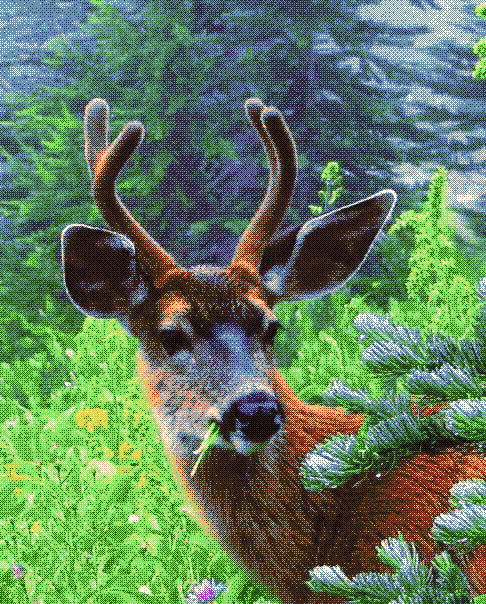
Fun Facts
|