


Mountain Lion (puma concolor)Apex predator inhabiting the park’s higher ridges and dense forests. DietPrimarily deer, small mammals, and occasionally livestock along park borders. BehaviorMountain lions in Spectral Valley are elusive and mostly nocturnal, traveling solitary territories that often overlap with Black Bear and Roosevelt Elk ranges. they are known to traverse Sentinel Hill ridgelines and The Pine Basin creek corridors quietly. Rangers occasionally spot tracks or scat near trails, but sightings are rare. They are stealthy hunters, capable of moving silently over rocky terrain, and are noted for strategic stalking behaviors along wildlife corridors. HabitatThese animals occupy rugged terrain, including forested ridges, rocky outcrops, and secluded valleys. They favor areas with dense tree cover and minimal human disturbance, which provide shelter and vantage points. Elevations range from low river valleys to high ridge lines, with creeks and small water sources dotted throughout. These habitats support a diverse prey base and allow mountain lions to roam vast territories while remaining largely unseen. Role in EcosystemTop predator maintaining population balance for herbivores like Black-tailed Deer and Roosevelt Elk; key regulator of forest ecology. Folklore and Cultural NotesLocal legends portray the mountain lion as a guardian of the ridges, a silent watcher whose presence signals respect for the valley’s wild spaces. Some stories suggest lions can sense approaching anomalies, disappearing before unusual events while leaving tracks that later appear in impossible locations. Hunters and hikers sometimes refer to them as “shadow cats,” reinforcing their mysterious reputation. Mountain lions serve as both ecological regulators and subtle symbols of the park’s untamed character; their rare appearances remind visitors that the valley has layers of life moving quietly beyond human perception. 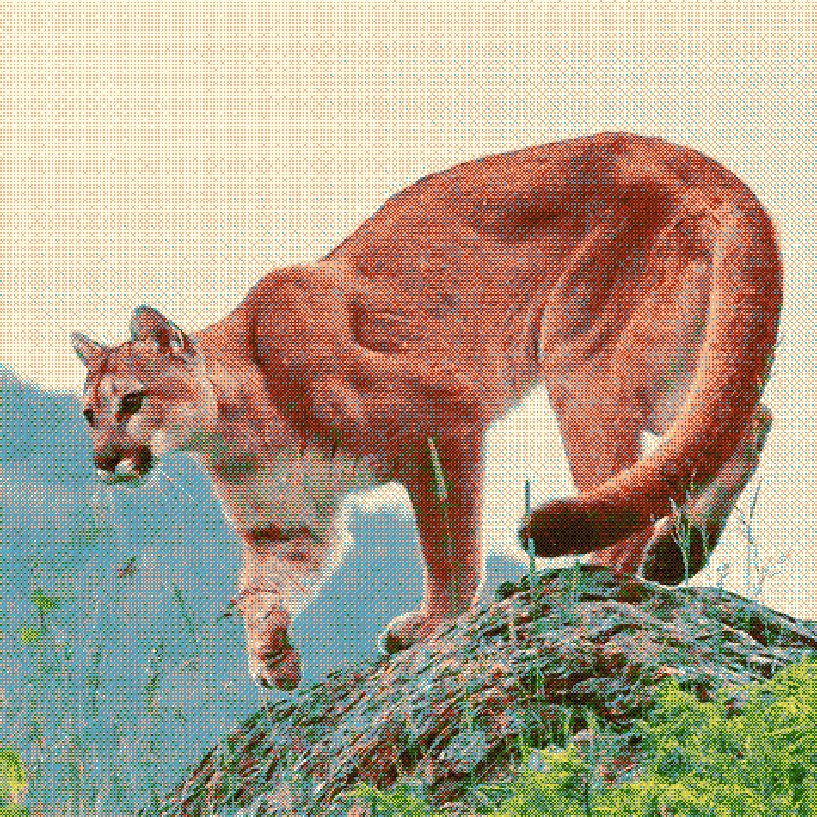
Fun Facts
|