


Common Raccoon (procyon lotor)A nocturnal omnivore widely distributed throughout the park’s forests and wetlands. DietInsects, small mammals, fruits, berries, nuts, and occasional human refuse near campsites. BehaviorRaccoons are mostly active at night, navigating tree canopies and creek corridors with dexterity. It's noted that their intelligence and problem-solving ability, particularly around food caches or park trash receptacles. They are opportunistic and adaptable, often venturing near Visitor Center areas under cover of darkness. Den sites are found in hollow trees, abandoned structures, and occasionally near the Pine Basin wetlands. Several raccoon families have been observed active during daylight in fog-heavy conditions. HabitatCommon raccoons are found throughout the park, most abundant near waterways and forest edges. They thrive along the banks of Liar’s Stream and the lower reaches of the river system, where dense willow and alder thickets offer cover. Their dens are typically located in hollow logs, beneath decaying stumps, or within the crawl spaces of abandoned ranger structures left over from the park’s early operations. Role in EcosystemScavenger and seed disperser, contributing to forest regeneration; serves as prey for Mountain Lion and Coyotes. Folklore and Cultural NotesAmong early loggers and later rangers their are references to local stories claiming that, on certain fog-heavy nights, their facial markings appear to fade completely under lamplight. 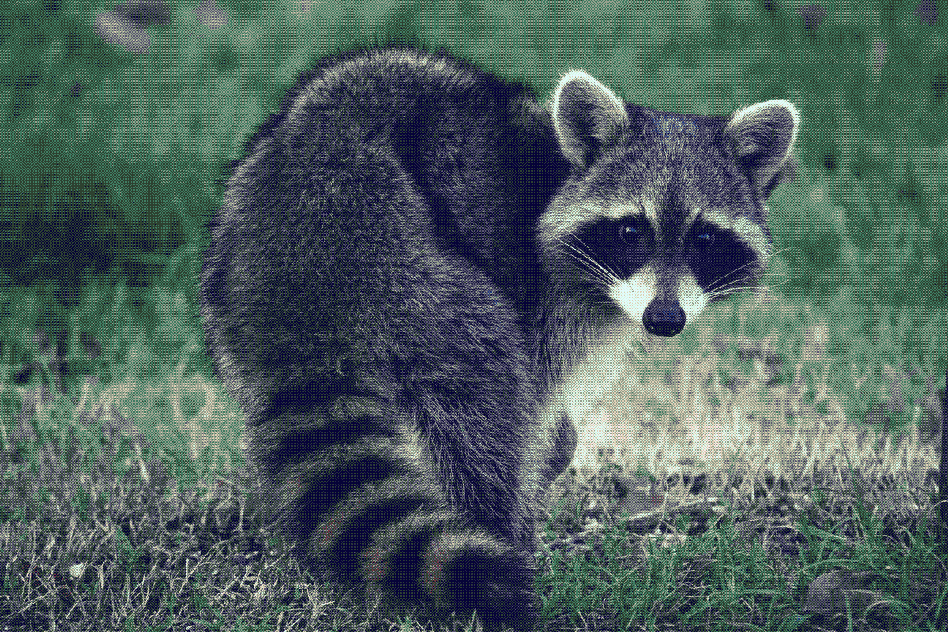
Fun Facts
|